
Learn to identify and manage the Internode Borer (Chilo sacchariphagus indicus). Discover damage symptoms, bionomics, and effective biological control methods
Table of Contents
Internode Borer: Chilo sacchariphagus indicus (Crambidae: Lepidoptera)
The Internode Borer is a prominent pest affecting agricultural productivity across Sri Lanka, Pakistan, and India. While primarily associated with sugarcane, its host range extends to other essential crops including sorghum, rice, and pearl millet.
Damage Symptoms and Identification
Infestation by this pest leads to distinct physical changes in the host plant. Farmers can identify the presence of the larvae by observing several boreholes and fresh excrement concentrated in the nodal region. This damage typically results in tighter and shorter internodes, accompanied by a noticeable reddening of the affected internal tissues.
Bionomics of Chilo sacchariphagus indicus
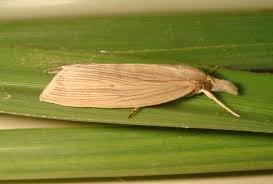
The life cycle of the Internode Borer begins with the larva, which is white with four longitudinal violet stripes and a light brown head. The adult moth is light brown in color, characterized by white wings on the back, making them identifiable during field monitoring.
Cultural and Biological Management
To keep the pest population below economic injury levels, integrated management practices are essential:
- Fertilizer Management: Avoid using too much nitrogen-rich fertilizers, as excessive nitrogen can favor pest development.
- Egg Parasitoids: Release Trichogramma chilonis six times, starting in the fourth month of the crop cycle and repeating every 15 days.
- Larval Parasitoids: Introduce natural enemies such as Apanteles flavipes and Stenobracon deesae to the field.
- Pupal Parasitoids: Release Tetrastichus ayyari and Trichospilus diatraeae to target the pupal stage of the insect.
(External source: Research on biological control of lepidopteran borers)
Chemical Control for Internode Borer
When biological and cultural methods are insufficient and damage becomes severe, chemical interventions may be necessary:
- Soil Application: If damage is severe, add granules to the soil at a rate of 30 kg per acre.
- Acute Injury Treatment: To treat acute injury effectively, apply carbofuran 3 G at a rate of 30 kg/ha.